

While there’s no instant fix to low libido, certain natural supplements for libido like ashwagandha and maca root may help address the underlying factors that affect desire. Low libido is more common than people realize, and it’s often influenced by stress, sleep, hormones, and overall well-being. Pairing the right libido support supplements with lifestyle changes can create a more well-rounded approach to intimacy. (For more on the emotional side of intimacy, see our post which explains what happens to bonding after sex.)
Key Takeaways
- Certain supplements for libido — like ashwagandha, maca root, and L-arginine — may help support desire by addressing stress, circulation, hormones, and mood, though they work gradually rather than instantly.
- Not all libido supplements are backed by solid evidence; ingredients like DHEA, ginkgo biloba, and yohimbine are widely marketed but lack strong research support.
- Because supplements aren’t FDA-regulated the same way medications are, it’s worth talking to a healthcare provider about interactions and quality before starting any new supplement.
- Supplements work best as one piece of a bigger picture — sleep, stress management, and communication with a partner all matter just as much as which capsule you pick.
The Best Supplements to Address the Underlying Causes of Low Libido
Low libido rarely has a single cause. For most people, it develops gradually as a result of overlapping factors:
- Chronic stress and elevated cortisol
- Fatigue and poor sleep
- Hormonal shifts (testosterone, estrogen, thyroid)
- Mental health — anxiety, low mood, performance pressure
- Reduced circulation and cardiovascular health
The supplements discussed below are not aphrodisiacs in the traditional sense. Instead, they work by supporting the systems in the body that influence desire over time.
1. Adaptogenic Supplements for Stress-Related Low Libido

Chronic stress is one of the most common and overlooked contributors to low libido. When stress is ongoing, cortisol levels remain elevated, which can suppress sex hormones and reduce interest in intimacy. Over time, this stress response can make desire feel distant or inconsistent.
This is where adaptogens for libido may help. Adaptogens are a category of herbs and mushrooms that support the body’s ability to adapt to stress rather than overstimulating or sedating it.
- Ashwagandha — one of the most studied adaptogens; may help reduce cortisol levels, which can indirectly support libido by improving overall balance and reducing mental overload. According to a National Institutes of Health fact sheet, it’s generally well tolerated but can interact with thyroid medication, sedatives, and immunosuppressants. A small pilot study in women found improvements in arousal and satisfaction after consistent use.
- Rhodiola rosea — commonly used for mental fatigue and burnout; associated with improved focus and stamina, which can help when low libido is tied to exhaustion or emotional depletion rather than physical issues.
Most research on adaptogens for libido uses standardized extracts taken daily for eight weeks or longer before evaluating results, since their effects build gradually rather than appearing right away. Adaptogens generally work best when taken consistently over time — their effects are usually subtle and cumulative rather than immediate.
2. Supplements That Support Circulation and Energy for Arousal
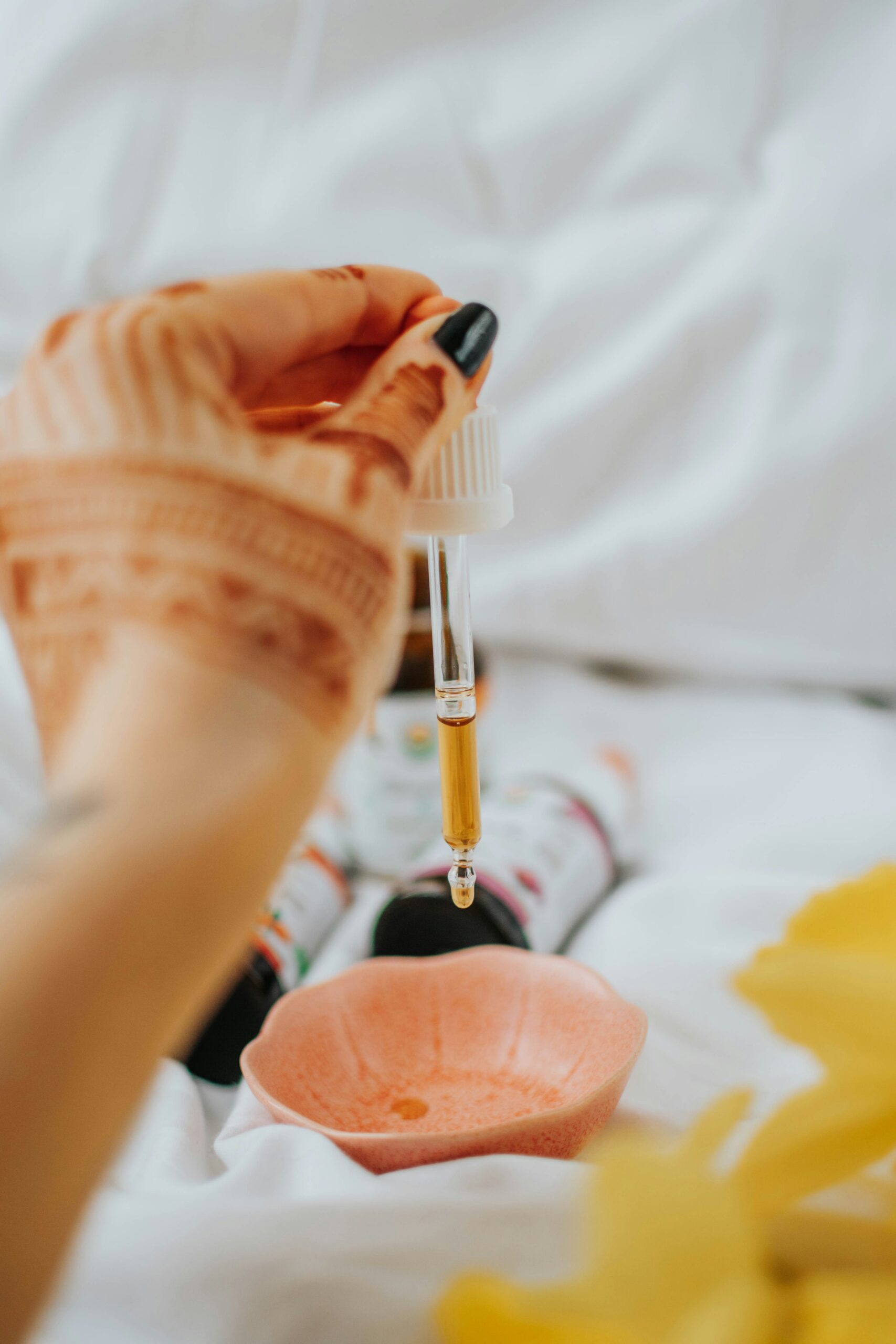
Physical arousal relies in part on healthy circulation and sufficient energy. When blood flow is compromised or energy levels are low, desire and responsiveness can be affected.
- L-arginine — an amino acid involved in producing nitric oxide, which relaxes blood vessels and supports circulation. A placebo-controlled study on the combination supplement ArginMax found improvements in desire and satisfaction, though it’s less clear whether L-arginine alone drives the effect. It may worsen herpes outbreaks and can interact with blood pressure medications.
- Panax ginseng (Korean ginseng) — studied for effects on stamina, energy, and sexual wellness; may help by improving energy and reducing fatigue rather than triggering desire directly. The NIH’s National Center for Complementary and Integrative Health notes it’s generally safe short-term, but long-term safety data beyond about six months is limited, and it may interact with blood thinners.
Supplements that support circulation are not stimulants. Their role is to help the body function more efficiently, which can make arousal easier to achieve when desire is already present.
3. Hormone-Supportive Nutrients and Libido
Hormonal balance plays a significant role in libido throughout adulthood. While supplements for libido cannot replace medical treatment for hormonal conditions, certain nutrients may help support healthy hormone production when deficiencies are present:
- Zinc — essential for reproductive health and testosterone production; low levels have been associated with reduced libido, particularly in men, though it matters for all genders.
- Vitamin D — plays a role in hormone regulation and mood; deficiency is common and has been linked to fatigue, low mood, and reduced sexual interest, especially with limited sun exposure.
Because zinc and vitamin D are involved in so many hormonal pathways, more isn’t automatically better — high-dose zinc can interfere with copper absorption, and excess vitamin D can build up in the body since it’s fat-soluble. A simple blood panel can confirm whether either deficiency is actually present before you start supplementing. More is not always better, and targeted support tends to be more effective than guessing.
4. Supplements That Support Mood, Relaxation, and Sexual Desire

Libido is not purely physical. Emotional state, anxiety levels, and mental well-being all influence sexual desire. When stress, pressure, or low mood are present, libido often follows.
- Maca root — frequently discussed in relation to libido and sexual satisfaction; doesn’t appear to directly alter hormone levels, but a systematic review of maca research found modest support for improved sexual desire, building on earlier work showing an effect on desire in men that was independent of testosterone levels.
- L-theanine — an amino acid found naturally in green tea; known for calming effects without sedation, which can help when performance anxiety or mental tension interferes with intimacy.
Maca is often described as needing the longest runway of the libido supplements on this list — some research suggests it can take up to two months of consistent use before effects on desire become noticeable, and results tend to be more consistent when maca is taken as a food or powder rather than a high-dose capsule. L-theanine, by contrast, is fast-acting and generally considered safe at typical doses, with calming effects some people notice within an hour. These supplements are often most helpful for people who feel mentally disconnected from desire rather than physically incapable of arousal. If performance anxiety specifically is part of the picture, our guide on building sexual confidence in five minutes pairs well with this kind of support.
Libido Supplements With Weak or Mixed Evidence
Not every ingredient marketed as a libido supplement has research behind it. Some of the most heavily advertised options for boosting sex drive fall into this category, and knowing which ones to skip can save both money and unnecessary risk.
- DHEA — a hormone precursor sometimes marketed as a supplement for libido, but a systematic review of DHEA and sexual function found inconsistent results in men, and it can interfere with several medications and raise cancer risk at high doses in some populations.
- Ginkgo biloba — often paired with other libido support supplements in commercial blends, but there’s little solid evidence it improves desire on its own.
- Yohimbine — can produce a noticeable stimulant effect, but it isn’t safe to combine with medications for heart conditions or blood pressure, and side effects can be significant.
- “Proprietary blends” — products that list a blend without disclosing exact amounts of each ingredient make it impossible to know what you’re actually taking, or in what dose. Products with full ingredient transparency and third-party testing are generally the safer choice.
Are Supplements for Libido Safe? What to Know Before You Start

Natural doesn’t automatically mean risk-free. In the U.S., dietary supplements for libido aren’t reviewed by the FDA for safety or effectiveness before they reach store shelves the way prescription medications are. That means the label doesn’t always reflect what’s actually in the bottle.
This gap in oversight matters most with commercial sexual-enhancement products. Reviewing this topic for Ro, physician Raagini Yedidi, MD, points out that some products marketed for sexual health have been found by FDA testing to contain undisclosed prescription ingredients in unknown doses. Separately, a randomized controlled trial in men that used a standardized, single-ingredient ashwagandha extract reported measurable improvements in desire — a useful contrast that illustrates why single-ingredient, third-party-tested products tend to be the safer bet over unlabeled blends.
Before combining any of these ingredients with prescription medications, it’s worth checking with a healthcare provider, particularly if you take:
- Blood thinners
- Blood pressure medications
- Antidepressants
- Hormone therapies or thyroid medication
Physician reviewer Sarah Gupta, MD, writing for GoodRx’s review of libido-boosting supplements, similarly emphasizes talking to a healthcare professional first, since even “natural” supplements can interact with other medications.
When to See a Doctor About Low Libido
Supplements are best suited for gradual, lifestyle-related dips in desire. It’s worth talking to a healthcare provider instead of self-treating if low libido:
- Started suddenly, especially after starting a new medication
- Comes with pain during sex, vaginal dryness that doesn’t improve, or erectile difficulties
- Is accompanied by other symptoms like fatigue, hot flashes, irregular periods, or mood changes that suggest a hormonal or thyroid issue
- Is affecting a relationship or causing ongoing distress
A provider can run bloodwork to check hormone and nutrient levels, review medications that might be contributing, and rule out conditions that supplements for libido alone won’t fix. Our general FAQ page also covers a few other common sexual wellness questions.
Putting Natural Libido Supplements Into Context
Natural supplements tend to work best when combined with foundational lifestyle factors:
- Adequate, consistent sleep
- Regular movement or exercise
- Balanced nutrition
- Active stress management
- Open communication with a partner
Their effects are typically gradual and supportive rather than dramatic. It is generally recommended to introduce supplements one at a time and allow several weeks to evaluate their impact — this makes it easier to identify what is genuinely helpful and avoid unnecessary combinations.
If low libido is sudden, severe, or persistent, it is important to consult a healthcare provider to rule out underlying medical causes such as thyroid disorders, medication side effects, or significant hormonal imbalances. Supplements can be a useful part of a broader approach, but they are most effective when used thoughtfully and in context.
Ultimately, supporting libido is about supporting the whole system. When stress is managed, energy improves, hormones are supported, and mood stabilizes, desire often follows naturally. Natural supplements can play a role in that process, but they work best as part of a comprehensive strategy that prioritizes overall well-being and open communication about intimacy — whether that’s carving out more quality time together as a couple or exploring what actually helps through our short intimacy quiz.
Bottom Line
There’s no single pill that fixes low libido, but a few well-studied supplements for libido can genuinely help when the cause is stress, circulation, hormones, or mood. Here’s the short version:
- Ashwagandha, maca, L-arginine, Panax ginseng, zinc, vitamin D, rhodiola, and L-theanine have some evidence behind them, mostly by supporting stress, circulation, hormones, or mood rather than acting as direct aphrodisiacs.
- DHEA, ginkgo biloba, and yohimbine are widely marketed but weakly supported, and yohimbine carries real safety risks.
- Libido supplements aren’t FDA-regulated, so third-party testing and a quick check-in with a healthcare provider matter as much as the ingredient itself.
Start with one supplement, give it a few weeks, and build from there rather than reaching for a stack of pills all at once.
Frequently Asked Questions
How long does it take for libido supplements to work?
It depends on the ingredient:
- Adaptogens like ashwagandha and rhodiola are usually evaluated after eight weeks or more of consistent use
- Maca may need up to two months
- L-theanine works faster, with some people noticing a calming effect within an hour
Can I take more than one libido supplement at the same time?
It’s generally better to introduce one libido supplement at a time and give it several weeks before adding another. This makes it much easier to tell what’s actually helping — and to catch any side effects — rather than combining several new ingredients at once.
Are supplements for libido different for men and women?
Many of the ingredients discussed here, including ashwagandha, maca, and L-arginine, have been studied in both men and women, though research volume and dosing sometimes differ by sex. A few ingredients, like DHEA, tend to show more consistent results in specific populations, such as postmenopausal women, than others.
Do natural libido supplements interact with medications?
Some do:
- L-arginine can interact with blood pressure medications
- Ginseng may interact with blood thinners
- Several adaptogens can interact with thyroid or psychiatric medications
Anyone taking prescription medication should check with a healthcare provider before adding a new supplement.
Are natural supplements for libido FDA-approved?
No. Dietary supplements for libido aren’t approved or reviewed by the FDA for safety or effectiveness before they’re sold. Choosing brands that use third-party testing is one way to add a layer of quality assurance that the FDA process would otherwise provide.