
Main Takeaways
- Learn the history of LGBT rights in the United States.
- Read about the first gay pride parade and where it took place.
- Find out about LGBT rights history and how it’s changed over the years.
- See how LGBT rights in the US have shaped lives.
Queer folks have always been here, though being openly gay wasn’t as easy in the past in most societies and timelines. History shows that numerous queer folks have shaped our past, with many influential gay historical figures shaping politics, the arts, and sciences. Despite facing systemic persecution, gay historical figures like playwright Oscar Wilde, artist Leonardo da Vinci, and computer pioneer Alan Turing contributed to shaping our world in important and undeniably essential ways.
If you want to learn more about LGBT rights and how the first gay pride parade helped spark social and political change, read on. We’ll offer a quick and easy overview for queers folks and allies alike to understand how unique sex toys play a part in LGBTQ+ history. This year, celebrate Pride Month in your community and at home to ensure that change continues in a positive, inclusive way for all.
What Are LGBT Rights?
LGBT+ rights are the human rights that all lesbian, gay, bisexual, transgender, and queer persons outside of traditional sexuality and gender categories have. Ever-evolving LGBT rights mean that queer folks from all walks of life are able to freely love and live who and how they wish. Thanks to the work of many, lgbt pride month is now a nationally recognized holiday where everyone can support and uplift the gay community. Read on to learn about LGBT rights in the US, the first gay pride parade, and how you can embrace your sexuality no matter where you fall on the rainbow.
When Did LGBT Rights in the U.S. Take Shape?
It wasn’t until 1962 that states began to decriminalize same-sex activity in the United States, starting with the state of Illinois. In 2004, the state of Massachusetts was the first to offer LGBT rights, recognizing same-sex marriage. In the US, public opinion is overwhelmingly in support of same-sex marriage, and same-sex couples are able to legally adopt. Since the late 1980s, public opinion and jurisdictions have helped shape the landscape of LGBT rights in the US.
While LGBT rights are still in place for many in the queer community, transgender persons are still facing significant erosion of their rights in the US. Today, LGBTQ+ Americans are protected from discrimination in housing, employment, and public accommodations, though not entirely. U.S. Federal law does not explicitly include protections against discrimination on the basis of gender identity or sexual orientation. Though many great strides have taken place in LGBT rights history in recent decades, there’s still much work to be done.
The First Gay Pride Parade
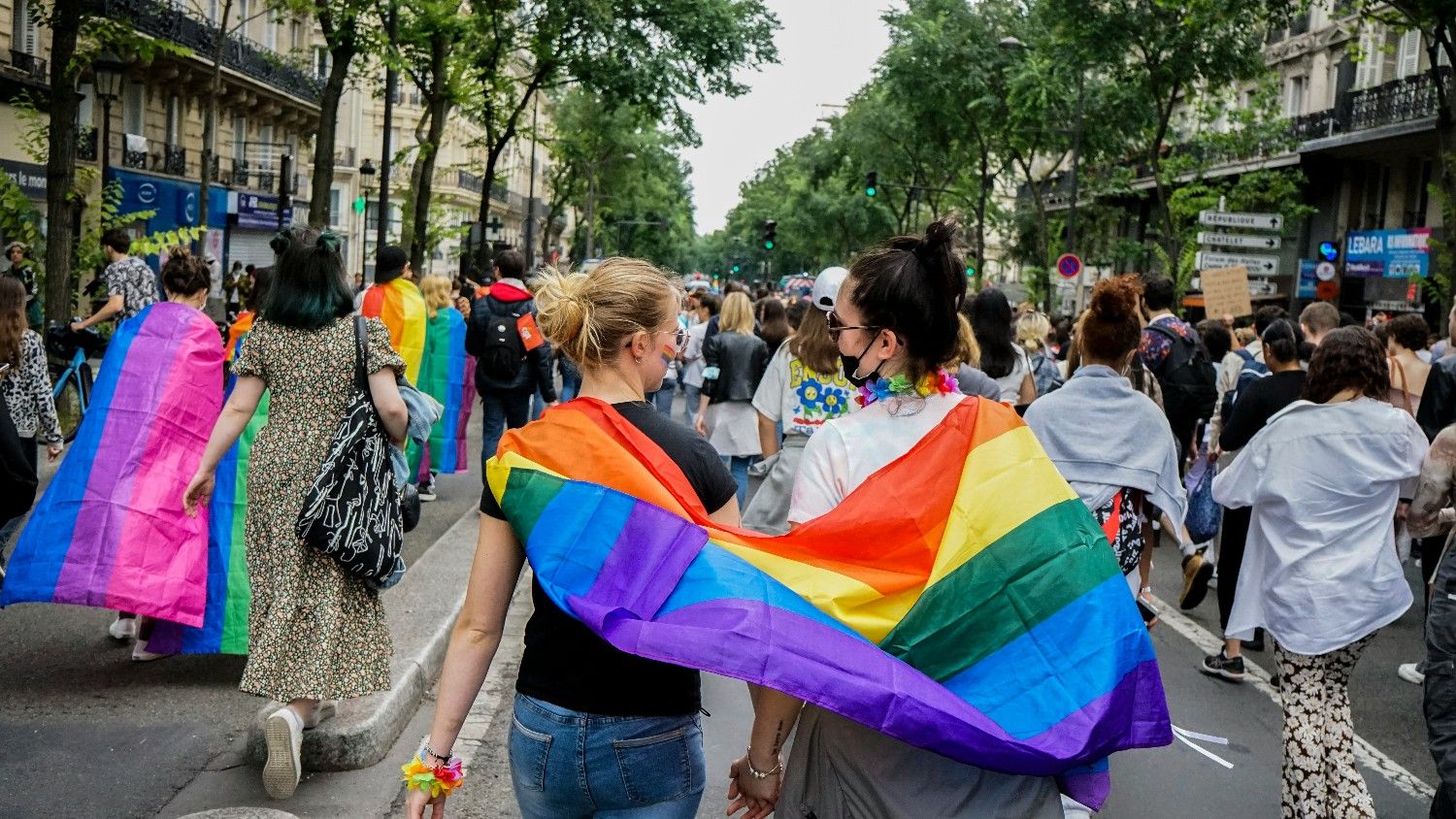
After the infamous raid and riots at the Stonewall Inn in 1969, public gay rights activism began to build momentum. The first gay pride parade is thought to be the march on Washington Square Park, organized by the Chicago Gay Liberation Front on June 27, 1970. This date was chosen in remembrance of the Stonewall riots and has been recognized as Gay Pride Day ever since.
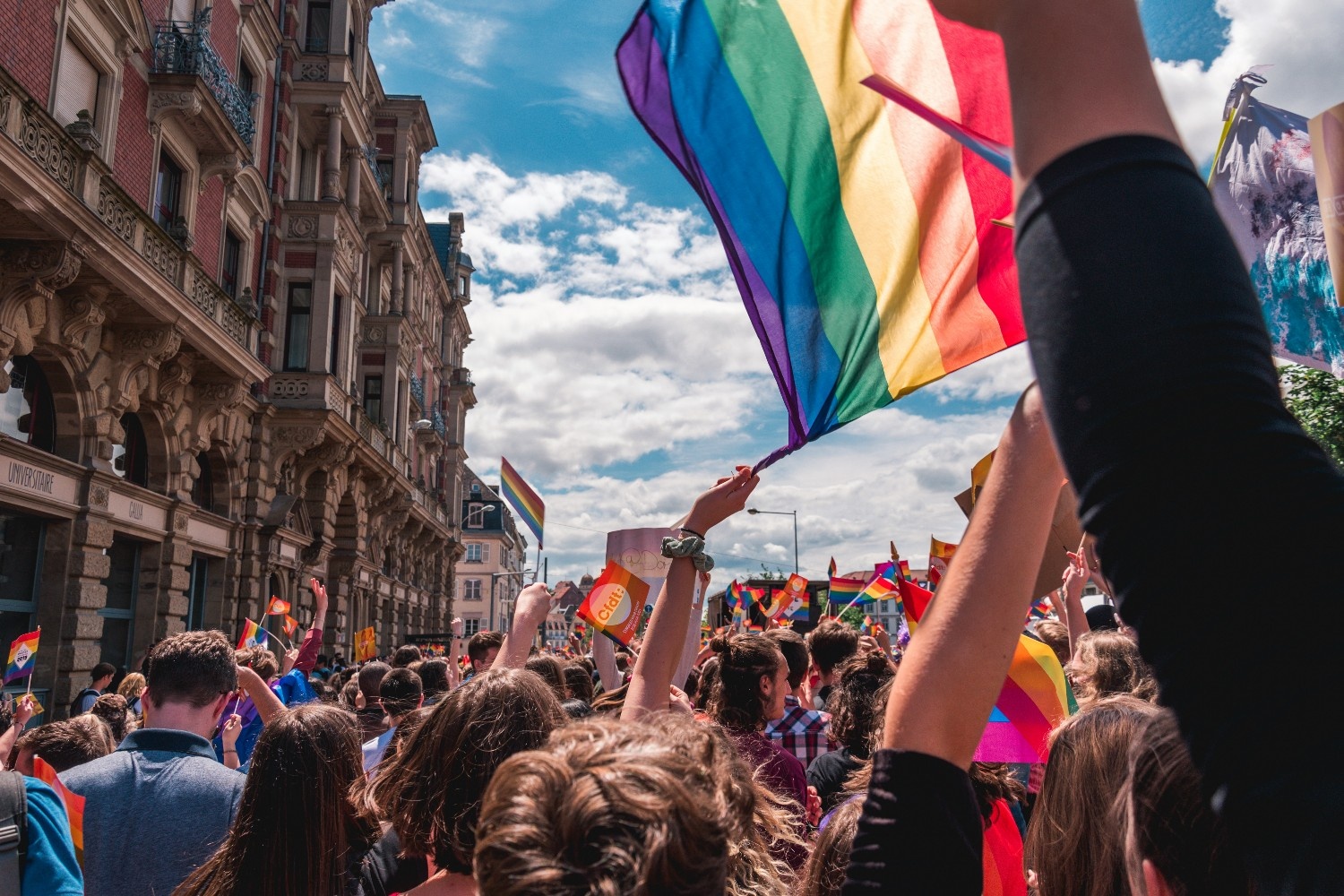
These parades, which originated in the US, helped further LGBT rights and inspired similar marches around the world. Demonstrations around the world are both serious and playful, with marchers expressing themselves in costume, with performances, and the symbolic rainbow flag. Thanks to the first gay pride parade, queer culture has been recognized and represented in public spaces, with the movement gaining momentum globally every year.
LGBT Rights History and Sex Toys
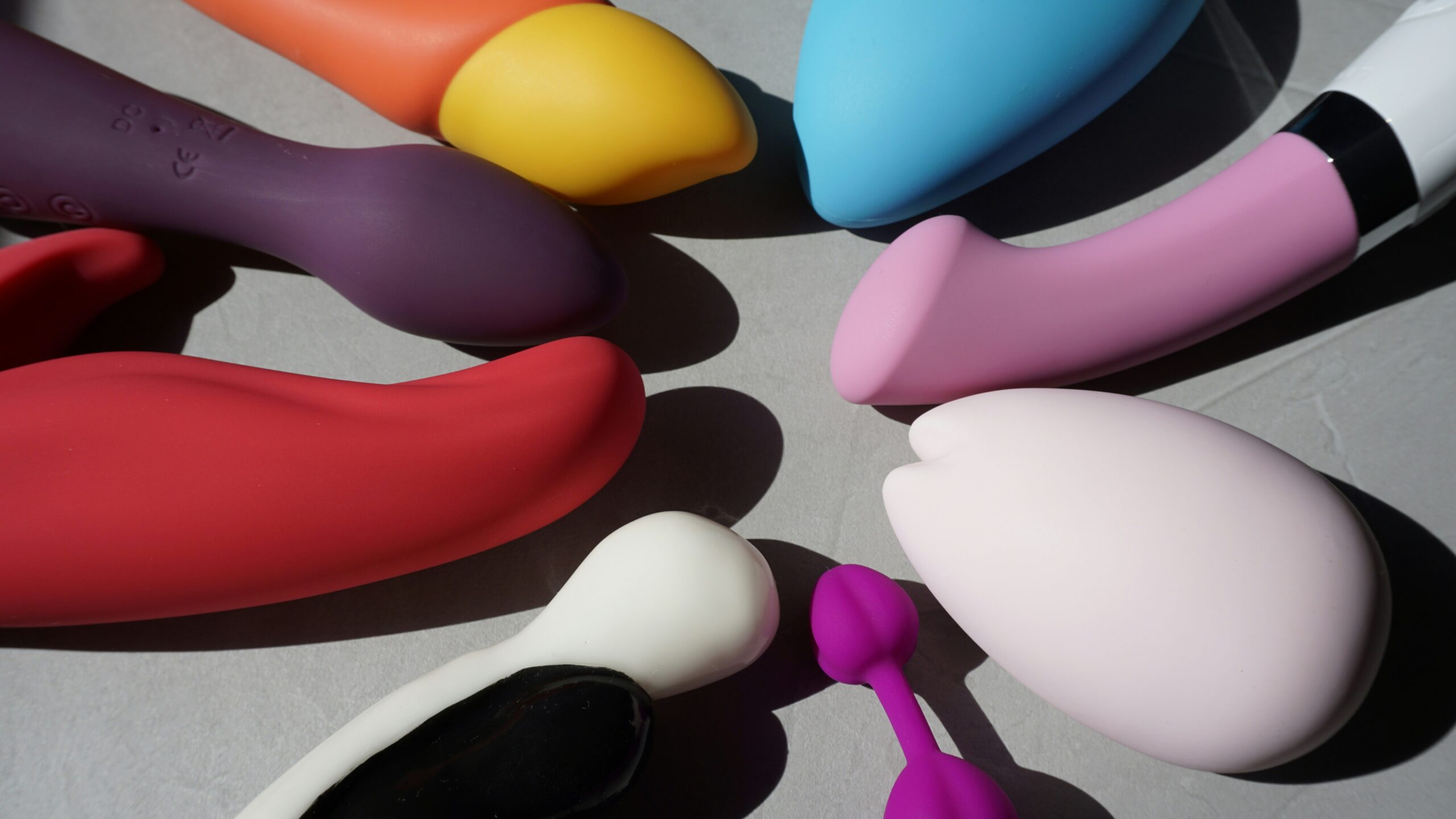
Historically, gay people and LGBTQ+ individuals have always enjoyed unique adult toys. In fact, archaeologists have discovered phallic objects made of wood, stone, and leather dating back thousands of years, used by both straight and gay people. While ancient Greece may have been more friendly to queer citizens, in Medieval times, LGBT rights weren’t recognized. During this time, the church condemned sexual activity outside of procreation, including gay sex and the use of his and hers adult toys.
Of course, social opinion and rules never stopped queer people from being themselves through history. Discoveries of ancient strap-on’s in Zanzibar called “ebony penises” were thought to be early lesbian sex toys. In the 1960s, sex toy vibrators like the Hitachi Wand were popular in queer communities. As LGBT rights in the US expanded and became more recognized, enjoying silicone sex toys became more common and socially recognized. Today, thanks to LGBT rights, the queer community continues to drive the market for quality sex toys of all types, including dildos for men, unique sex toys for women, and other body-safe sex toys.
Embracing Your Sexuality

Whether you’re an ally, just discovering your queer side, or a lifelong member of the LGBTQ+ community, it’s important to make your sexual health a priority. LGBT rights history is moving the needle in the right direction for equality and justice, but it’s important to remember the lack of LGBT rights in the past as well.
This Pride Month, embrace your LGBT rights and explore your sexual horizons at VSekreets. If you’ve been curious about discovering or expanding your queer sensual side, browse this online sex shop to see what catches your eye. Inexpensive sex toys offer a safe and private way to discover something about yourself, or open up your mind to new possibilities.