

- Learn about clitoral stimulation after menopause.
- See how hormonal changes in menopause can change the way women orgasm.
- Discover new ways to enjoy sex after menopause with your partner.
- Open your mind to options, including lubrication, toys, and doctor-prescribed medications.
Menopause and the period before it, perimenopause, are times of hormonal change for women that can affect every aspect of their lives. While menopause is the pause of menses, or menstruation, and the transition period when a woman’s ovaries stop producing eggs, there are other physical and psychological changes that happen along with fluctuations in hormones. These hormonal changes in menopause can create a variety of distressing issues in the bedroom, not just for the woman going through menopause, but for her partner as well.
Sex can become painful or less satisfying during this time, with vaginal dryness and different hormone levels making clitoral stimulation after menopause different. What once felt good now may be uncomfortable for you or your partner, making sex after menopause frustrating or not as enjoyable as it once was. However, with some adjustments and exploration, anyone can find sex fulfilling and comfortable at every stage of life.
Thanks to progress in medicine and gynecological science, many hormonal prescription options can help women in menopause. Self-care menopause methods combined with lubrication and the right adult toys for women can all work together to be the key you need to unlock the door to orgasms again. Read on to see how you can still enjoy clitoral stimulation after menopause and make the most of your intimate time.
Hormonal Changes in Menopause

Some call menopause ‘reverse puberty,’ and for good reason; the symptoms of both perimenopause, menopause, and puberty in women can be similarly life-changing. While clitoral stimulation after menopause is one issue present during this time, there are a number of other symptoms that may affect the way a woman feels about her body and sexuality.
These symptoms can include:
- Irregular periods
- Breast tenderness
- Vaginal dryness
- Decreased libido
- Joint and muscle pain
- Physical changes: hair loss, changes in skin elasticity, weight gain
- Cognitive changes: brain fog, memory problems, difficulty concentrating
- Mood swings: anxiety, depression, and general irritability
- Hot flashes: intense feelings of heat all over the body
- Night sweats: hot flashes that occur at night or during sleep
With all of these changes happening in the body and mind, it’s easy to see how sex after menopause can change. While it may take some time to understand how best to manage these symptoms, it’s important to keep sexual health in mind and consider the possibility of trying a clit vibrator. In fact, studies have shown that sex can help reduce symptoms of menopause and improve sexual function.
Clitoral Stimulation After Menopause
One of the main culprits for women who have trouble reaching orgasm after menopause is clitoral atrophy, or reduced sensitivity of the clitoris. Lower estrogen levels during menopause mean reduced blood flow to the clitoris, and as a result, less sensitivity. Thankfully, toys like clit massagers used in conjunction with lubricants and other self-care can help those with lower sensitivity achieve clitoral stimulation after menopause.
While hormonal changes in menopause can reduce libido, there are a number of methods and exercises that help make sex more comfortable and enjoyable. While unique sex toys for women prove to be a titillating and effective option, if symptoms worsen or persist, medical treatment may also be necessary.
Some methods you can try at home include:
- Engaging in foreplay and using lubricant to help address vaginal dryness
- Practice Kegel exercises to strengthen the pelvic floor
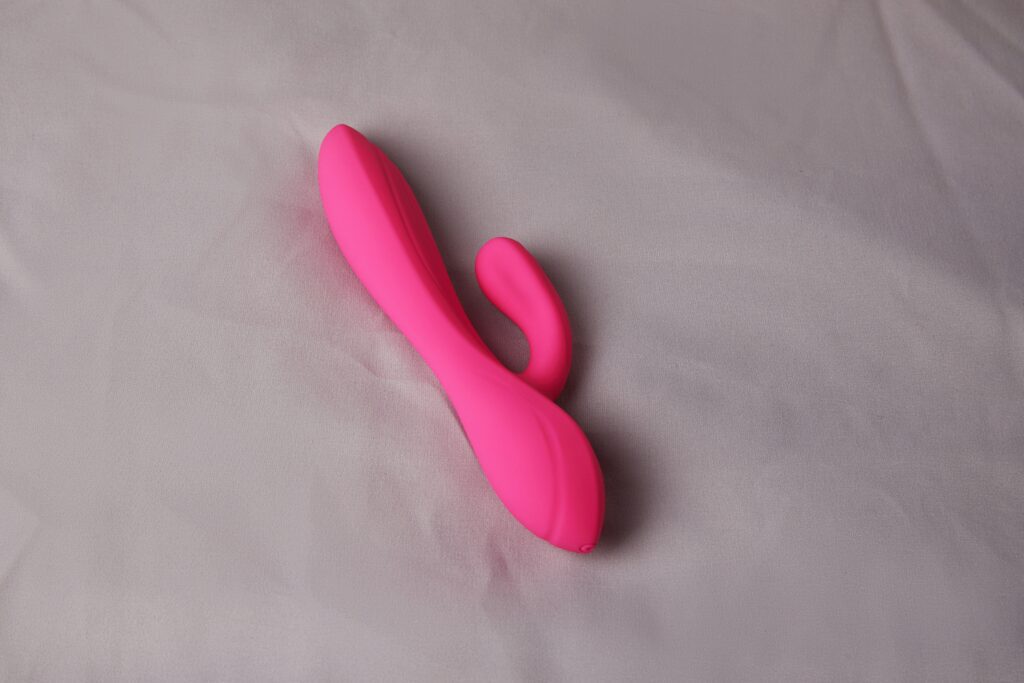
- Incorporate dildos or unique vibrators to help enhance stimulation
Try a clit vibrator for even more targeted clitoral stimulation after menopause
Enjoying Sex After Menopause
In the past, menopause wasn’t as openly talked about between partners or even from woman to woman. Clitoral stimulation after menopause wasn’t considered to be a priority, and speaking of hormonal fluctuations was taboo, spoken about only in hushed tones as “the change”. But times are changing, and more women are demanding that sex after menopause be treated as a priority for their overall health.
Like in every relationship, communicating with your partner about the hormonal changes in menopause that you may be experiencing is key. Talk to your partner about their symptoms, and inquire about what would feel good, or whether or not they would be willing to explore the use of silicone sex toys in the bedroom. But communication is only one piece of the puzzle.
It’s frustrating when you want to enjoy sex, but your body isn’t cooperating. Often, the key reason that our bodies don’t respond may be rooted in something hidden or unexpected. Some great ways for maintaining sexual health and ensuring clitoral stimulation after menopause are:
- Address underlying health issues: Psychological conditions like depression or physical ailments like heart disease or diabetes can also suppress your libido.
- Include the use of sexual aids: Browse an online sex shop for sex toy vibrators that you can experiment with and incorporate into your intimate moments.
- Use lubricants along with clit massagers to gently and effectively stimulate and encourage blood flow back to the clitoris.
- Seek out professional help: Sex therapists and gynecologists can help you find the appropriate answers to help with hormonal changes in menopause.
There are many treatments, options, and at-home practices that couples can try alone or together to help encourage clitoral stimulation after menopause. Remember that for many, sexual health is an essential aspect of living a well-rounded, satisfying life. Sex after menopause may take a little bit of adjustment, but with some work, anyone can find new ways to enjoy their body.